
Upper GI Endoscopy in Sugar Land, Texas
Detailed Evaluation of the Upper Digestive Tract
Upper GI endoscopy, also called esophagogastroduodenoscopy or EGD, allows a gastroenterologist to examine the lining of the esophagus, stomach, and upper small intestine. It may be used to evaluate persistent heartburn, swallowing difficulties, upper abdominal pain, nausea, vomiting, anemia, or signs of gastrointestinal bleeding.
Dr. Gregory L. Shannon is a board-certified gastroenterologist serving patients in Sugar Land, Texas. He provides upper GI endoscopy to diagnose and manage conditions affecting the upper digestive tract. Contact Dr. Shannon's office for an appointment today!
What is Upper GI Endoscopy?
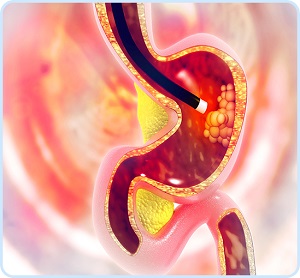
Upper GI endoscopy, also known as Esophagogastroduodenoscopy (EGD), is a procedure to visually examine and treat problems in the upper gastrointestinal (GI) tract. It is usually performed on an outpatient basis using an endoscope, which is a long, thin, flexible tube with a tiny video camera and light on the end.
The high-quality picture from the endoscope is shown on a TV monitor. By adjusting the various controls on the endoscope, your doctor can safely guide the instrument to carefully examine the inner lining of your upper gastrointestinal system and treat certain abnormal conditions. In many cases, upper GI endoscopy is a more precise examination than X-ray studies.
Indications of Upper GI Endoscopy
- Difficulty or pain in swallowing
- GI bleeding - hematemesis, melena, or iron-deficiency anemia
- Troublesome heartburn
- Persistent ulcer-like pain
- Dyspepsia
- With anorexia or weight loss
- Taking aspirin or NSAIDs
- With a history of gastric ulcers
- With a normal barium meal
- Persistent nausea, vomiting, or symptoms suggestive of pyloric obstruction
- Gastric ulcer demonstrated by barium meal
- Duodenal biopsy for suspected malabsorption
Repeat Endoscopy
You may be asked to repeat endoscopy for one or more of the following reasons:
- To determine the healing of a gastric ulcer
- Surveillance of dysplasia in Barrett's esophagus
- Progress of duodenal ulcer complicated by previous hemorrhage or perforation
- Duodenal ulcer not responding to adequate ulcer therapy
Please note that repeat endoscopy is not indicated in uncomplicated duodenal ulcers.
Benefits of Upper GI Endoscopy
An upper GI endoscopy is both diagnostic and therapeutic. This means the test enables a diagnosis to be made upon which specific treatment can be given. If a bleeding site is identified, treatment can stop the bleeding, or if a polyp is found, it can be removed without a major operation. Other treatments can be given through the endoscope when necessary.
Therapeutic Upper GI Endoscopy
- Sclerotherapy for varices
- Dilatation of strictures
- Pneumatic dilatation of achalasia
- Removal and surveillance of gastric polyps
- Removal of foreign bodies
Preparation for Upper GI Endoscopy
Your medical team will also want to know if you have heart, lung, or other medical conditions that may need special attention before, during, or after upper GI endoscopy.
It is important not to eat or drink anything for at least eight hours before the endoscopy. Your doctor will instruct you about the use of regular medications, including blood thinners, before the exam.
Procedure of Upper GI Endoscopy
- Prior to the procedure, you will be given intravenous medications to relax and sedate you.
- The procedure is performed by an experienced endoscopy physician.
- You are asked to wear a hospital gown and to remove your eyeglasses and dentures.
- A local anesthetic (pain-relieving medication) may be applied at the back of your throat.
- You are given a pain reliever and a sedative intravenously (in your vein). You will feel relaxed and drowsy.
- A mouthpiece is placed in your mouth. It does not interfere with your breathing.
- You will lie on your left side during the procedure.
- The physician inserts an endoscope into your mouth, through your esophagus (the "food pipe" leading from your mouth into your stomach), and into your stomach. The endoscope does not interfere with your breathing.
- The procedure lasts from 15 to 20 minutes.
- After the procedure, you will stay in the recovery room for about 30 minutes for observation.
- Your doctor will explain the results to you and your family. If the effects of the sedatives are prolonged, your doctor may suggest an interview at a later date when the results can be fully understood.
- If a biopsy has been performed or a polyp removed, the results are not available for three to seven days.
- Your endoscopy report and biopsy results will be sent to your referring physician.
- Have someone available to take you home. You will not be able to drive for at least 24 hours.
- Do not drink or eat anything in the car on the trip home. The combination of anesthesia, food, and car motion can quite often cause nausea or vomiting.
- Inform your doctor if you have severe abdominal pain, a continuous cough, fever, chills, chest pain, nausea, or vomiting within 72 hours after the procedure.
Complications of Upper GI Endoscopy
Apart from a minor sore throat, significant complications are extremely rare for diagnostic endoscopy in patients with adequate cardio-respiratory status.
Therapeutic endoscopy carries an increased risk. Possible complications of therapeutic endoscopy include bleeding and puncture of the stomach lining. However, such complications are rare.
Why Choose Dr. Gregory L. Shannon for Upper GI Endoscopy?
Experienced Care for Upper Digestive Conditions
Upper GI symptoms can be associated with acid reflux, ulcers, inflammation, narrowing, abnormal tissue, or other digestive conditions. Dr. Gregory L. Shannon provides individualized gastroenterology care to determine whether upper GI endoscopy is appropriate based on your symptoms, medical history, risk factors, and previous test results.
During the examination, abnormal areas can be evaluated closely, and tissue samples may be collected when necessary. Selected conditions may also be treated through the endoscope without traditional open surgery.
Patients Can Expect:
- Evaluation tailored to individual upper digestive symptoms
- Examination of the esophagus, stomach, and duodenum
- Assessment of inflammation, ulcers, narrowing, and abnormal growth
- Biopsy of selected tissue when medically appropriate
- Endoscopic treatment of certain abnormalities when indicated
- Clear preparation and recovery instructions
- Explanations of examination and pathology findings
- Personalized follow-up and treatment recommendations
Upper GI Endoscopy – FAQs
Why might I need an upper GI endoscopy?
An EGD may be recommended for persistent heartburn, upper abdominal pain, difficulty or pain with swallowing, unexplained nausea or vomiting, iron-deficiency anemia, unintended weight loss, or suspected upper gastrointestinal bleeding. It may also be used to monitor conditions such as Barrett's esophagus.
What conditions can an upper GI endoscopy detect?
The procedure can help identify esophagitis, gastritis, peptic ulcers, narrowing of the esophagus, Barrett's esophagus, celiac disease, abnormal blood vessels, polyps, tumors, and sources of upper gastrointestinal bleeding.
How should I prepare for an upper GI endoscopy?
You will need to avoid food and beverages for a specified period before the examination, so the stomach is empty. Follow the instructions provided by Dr. Shannon's office regarding fasting and medications, particularly blood thinners, diabetes medicines, iron supplements, or weight-management medications.
How long does an upper GI endoscopy take?
The examination itself often takes approximately 15 to 30 minutes. Your total time at the facility will be longer because of preparation, sedation, and recovery.
Will I be awake during the procedure?
Sedation is generally administered to help you remain comfortable and relaxed. A local anesthetic may also be used to numb the throat. The type and depth of sedation depend on the facility, procedure, and your individual medical needs.
Does the endoscope interfere with breathing?
No. The endoscope passes through the mouth and esophagus rather than the airway, so it does not prevent you from breathing. Your vital signs will be monitored throughout the procedure.
Can a biopsy be taken during upper GI endoscopy?
Yes. Small tissue samples may be collected to evaluate inflammation, infection, celiac disease, Barrett's esophagus, or abnormal growths. A biopsy is generally not felt during the procedure, and the tissue is sent to a laboratory for examination.
Can treatment be performed during upper GI endoscopy?
Yes. Depending on the findings, the physician may be able to stop selected bleeding sites, dilate a narrowed area, remove certain polyps or foreign objects, or perform another endoscopic treatment during the examination.
Can I drive myself home after an upper GI endoscopy?
If you receive sedation, you will need a responsible adult to drive you home. Follow the facility's instructions regarding driving, work, alcohol, important decisions, and other activities after the procedure.
When should I contact a doctor after upper GI endoscopy?
Seek prompt medical attention for severe or worsening chest or abdominal pain, difficulty breathing or swallowing, persistent vomiting, fever, vomiting blood, black stools, or other concerning symptoms. Mild throat discomfort or temporary bloating may occur, but significant or persistent symptoms require evaluation.
Take the Next Step in Your Digestive Health
Diagnostic Evaluation, Endoscopic Treatment & Personalized Care
Whether you have persistent heartburn, swallowing difficulty, unexplained upper abdominal pain, anemia, or another symptom requiring evaluation, Dr. Shannon can determine whether upper GI endoscopy is appropriate. Contact his office in Sugar Land, Texas, for an appointment today.
You will need the Adobe Reader to view and print these documents. 

Gregory L. Shannon, MD
Board-Certified Gastroenterologist Diplomate, American Board of Internal Medicine& Subspecialty Board in Gastroenterology
Gregory L. Shannon, MD, is a board-certified gastroenterologist providing comprehensive care for adults with conditions affecting the digestive system. Practicing in Sugar Land, Texas, he evaluates and treats a broad range of gastrointestinal concerns involving the esophagus, stomach, intestines, colon, liver, biliary system, and pancreas.



