
Flexible Sigmoidoscopy in Sugar Land, Texas
Focused Evaluation of the Rectum and Lower Colon
Flexible sigmoidoscopy is a procedure used to examine the inner lining of the rectum and lower portion of the colon. It may be recommended to evaluate rectal bleeding, persistent diarrhea, changes in bowel habits, abdominal discomfort, or suspected inflammation. Tissue samples can also be collected when necessary.
Dr. Gregory L. Shannon is a board-certified gastroenterologist serving patients in Sugar Land, Texas. He provides comprehensive evaluation and personalized care for conditions affecting the rectum and lower colon. Contact Dr. Shannon’s office for an appointment today!
What is Flexible Sigmoidoscopy?
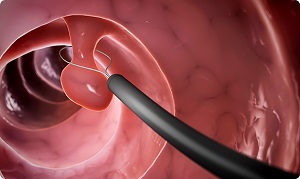
Flexible sigmoidoscopy is a diagnostic procedure to inspect the inner lining of your rectum and lower end of the large intestine (sigmoid colon) for any abnormalities using a device called a sigmoidoscope - a thin, flexible tube with a tiny camera and light source on one end. The procedure involves placing the tube into your anus and moving it slowly through your rectum and into the sigmoid colon.
Indications for Flexible Sigmoidoscopy
Your physician may recommend flexible sigmoidoscopy for a number of reasons, such as:
- To help detect the cause of symptoms such as abdominal pain, rectal bleeding, chronic diarrhea, and unexplained weight loss.
- To help diagnose conditions such as colon polyps, colon cancer, rectal cancer, rectal ulcers, and inflammatory bowel disease (IBD) like Crohn’s disease or ulcerative colitis.
- To remove polyps (abnormal growths) or hemorrhoids (swollen veins in your rectum and anus).
- To perform a biopsy where a piece of tissue is removed from the suspected area in the colon for examination under a microscope by a pathologist.
Preparation for Flexible Sigmoidoscopy
In general, flexible sigmoidoscopy preparation will involve the following:
- You are recommended to have a clear liquid diet for at least 24 hours prior to the test with overnight fasting.
- Your bowel will be completely emptied using a laxative or enema either in the office just before the procedure or at home before leaving for the procedure.
- You should disclose information on your current medications as your doctor may need to adjust them prior to the procedure.
- You should also bring your medical records and imaging pertaining to your current problem.
-
You should inform your doctor if you:
- Are allergic to any medications.
- Have diabetes, heart, or lung condition.
- Are taking any blood thinning medications (anticoagulants) such as aspirin that may affect blood clotting.
- Are pregnant.
- Signing an informed consent form after the pros and cons of the procedure has been explained.
Procedure for Flexible Sigmoidoscopy
A flexible sigmoidoscopy is performed as an outpatient procedure in a medical center or at your healthcare provider’s office. The procedure is typically performed without anesthesia, and you can go home the same day. In general, the procedure involves the following steps:
- You will be placed on the procedure table on your left side with your knees drawn up.
- A sedative may be administered to keep you comfortable and relaxed throughout the procedure.
- A thin, lubricated sigmoidoscope is then passed through the rectum into the sigmoid colon.
- Your physician will pass a small amount of air into your colon through the sigmoidoscope to expand the colon, which offers better visibility of the colon lining.
- When the air is introduced or the scope is moved, you may feel the urge to move your bowels or experience abdominal cramping.
- As the scope is moved, the tiny video camera attached at the tip of the scope transmits images of the colon to an external monitor so that your physician can study the inside of your colon.
- If needed, your physician can also pass instruments through the scope to obtain tissue samples of the colon for detailed analysis.
- The procedure typically takes about 20 minutes, and the scope is withdrawn once the procedure is complete.
Post-Procedure Care and Recovery
After the exam, you may experience abdominal pain, cramps, or bloating for an hour or so. You should feel better after you pass gas. If your physician removed tissue or polyps, you may notice some light rectal bleeding. If you were not administered a sedative for the procedure, you should be able to resume your normal diet and activities immediately after the procedure.
Risks and Complications
Flexible sigmoidoscopy is a relatively safe procedure. However, as with any procedure, some risks and complications may occur, such as:
- Rectal bleeding
- Colon perforation
- Abdominal pain
- Fever and chills
Why Choose Dr. Gregory L. Shannon for Flexible Sigmoidoscopy?
Focused Care for Lower Gastrointestinal Symptoms
Rectal bleeding, diarrhea, bowel changes, and lower abdominal discomfort can have several possible causes. Dr. Gregory L. Shannon provides individualized gastroenterology care to determine whether flexible sigmoidoscopy or another diagnostic examination is appropriate based on your symptoms, medical history, risk factors, and previous findings.
During the procedure, the lower colon and rectum can be examined for inflammation, ulcers, polyps, and other abnormalities. Tissue samples may also be collected when necessary.
Patients Can Expect:
- Evaluation tailored to individual colorectal symptoms
- Focused examination of the rectum and sigmoid colon
- Assessment for inflammation, ulcers, polyps, and abnormal tissue
- Biopsy of selected areas when medically appropriate
- Clear preparation and recovery instructions
- Explanation of examination and pathology findings
- Guidance about whether additional colon evaluation is needed
- Personalized follow-up and treatment recommendations
Flexible Sigmoidoscopy – FAQs
Why might I need a flexible sigmoidoscopy?
The procedure may be recommended to evaluate rectal bleeding, chronic diarrhea, lower abdominal pain, changes in bowel habits, or unexplained abnormalities found during another examination. It may also help monitor ulcerative colitis or another condition affecting the lower colon.
What is the difference between flexible sigmoidoscopy and colonoscopy?
Flexible sigmoidoscopy examines the rectum and lower portion of the colon, while colonoscopy evaluates the entire colon. Sigmoidoscopy generally requires less preparation and may not require sedation, but it cannot detect abnormalities located farther inside the colon.
How should I prepare for flexible sigmoidoscopy?
Preparation may involve temporary dietary restrictions, fasting, laxatives, or one or more enemas. Requirements vary, so follow the instructions provided by Dr. Shannon’s office. You may also receive specific guidance about blood thinners, diabetes medicines, iron supplements, and other medications.
Is sedation required for flexible sigmoidoscopy?
The procedure is often performed without sedation because it is relatively brief. Sedation may be offered in certain circumstances based on the planned examination, facility practices, and individual needs.
How long does flexible sigmoidoscopy take?
The procedure itself commonly takes approximately 10 to 20 minutes. Additional time may be needed for preparation, registration, recovery, or discussion of preliminary findings.
Is flexible sigmoidoscopy painful?
You may experience pressure, cramping, bloating, or an urge to have a bowel movement as the instrument moves through the lower colon and gas is introduced. Discomfort is usually temporary and often improves after passing gas.
Can a biopsy be performed during flexible sigmoidoscopy?
Yes. Small tissue samples may be collected from abnormal or inflamed areas and sent to a laboratory for examination. A biopsy is generally not felt during the procedure.
Can polyps be removed during flexible sigmoidoscopy?
Some small polyps within the examined area may be removed. If a polyp or another concerning abnormality is found, a complete colonoscopy may be recommended to examine the remainder of the colon and remove additional polyps if present.
Can I drive after flexible sigmoidoscopy?
If the procedure is performed without sedation, you can generally drive and resume normal activities afterward. If you receive sedation, you will need a responsible adult to drive you home and should follow the facility’s activity restrictions.
When should I contact a doctor after flexible sigmoidoscopy?
Seek prompt medical attention for severe or worsening abdominal pain, heavy or persistent rectal bleeding, fever, chills, dizziness, weakness, or a markedly swollen abdomen. Mild cramping, bloating, or a small amount of blood after a biopsy may occur temporarily.
Take the Next Step in Your Colorectal Health
Focused Evaluation, Diagnosis & Personalized Gastroenterology Care
Whether you have rectal bleeding, persistent diarrhea, changes in bowel habits, or a condition requiring lower-colon evaluation, Dr. Shannon can determine whether flexible sigmoidoscopy is appropriate. Contact his office in Sugar Land, Texas, for an appointment today.
You will need the Adobe Reader to view and print these documents. 

Gregory L. Shannon, MD
Board-Certified Gastroenterologist Diplomate, American Board of Internal Medicine& Subspecialty Board in Gastroenterology
Gregory L. Shannon, MD, is a board-certified gastroenterologist providing comprehensive care for adults with conditions affecting the digestive system. Practicing in Sugar Land, Texas, he evaluates and treats a broad range of gastrointestinal concerns involving the esophagus, stomach, intestines, colon, liver, biliary system, and pancreas.



