
Colorectal Polyps Treatment in Sugar Land, Texas
Detection and Removal to Help Prevent Colorectal Cancer
Colorectal polyps are growths that develop on the inner lining of the colon or rectum. Although most are benign, certain types can gradually become colorectal cancer. Because polyps frequently cause no symptoms, screening and timely removal are important for protecting long-term colorectal health.
Dr. Gregory L. Shannon is a board-certified gastroenterologist serving patients in Sugar Land, Texas. He has a particular clinical interest in colon polyps and colon cancer prevention and provides comprehensive evaluation, colonoscopy, and personalized follow-up care. Contact Dr. Shannon’s office for an appointment today!
What are Colorectal Polyps?
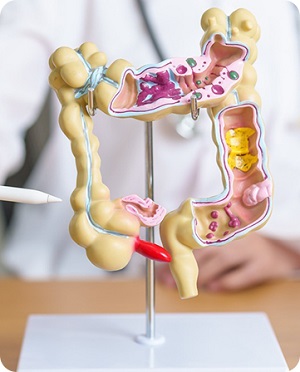
Colorectal polyps are fleshy growths that appear on the lining of the colon or rectum. While most polyps are benign, some can develop into colorectal cancer if left untreated. They vary in size and can occur singly or in multiples.
What Causes Colorectal Polyps?
The exact cause of colorectal polyps is not fully understood, but they are believed to result from abnormal tissue growth. Risk factors include:
- Aging.
- Family history of polyps or colorectal cancer.
- Obesity.
- Smoking.
- Excessive alcohol intake.
- A diet high in fat and low in fiber.
What are the Symptoms of Colorectal Polyps?
Many colorectal polyps do not cause symptoms. However, some people may experience rectal bleeding, change in stool color, abdominal pain, change in bowel movements, or iron deficiency anemia due to bleeding polyps. Large polyps may cause nausea and vomiting.
How are Colorectal Polyps Diagnosed?
Colorectal polyps are often found during routine screening exams like colonoscopy. Other diagnostic tests include stool tests, virtual colonoscopy (CT colonography), and traditional imaging tests to visualize the colon and detect polyps.
How are Colorectal Polyps Treated?
Treatment involves removing the polyps, typically during a colonoscopy using techniques like cauterization or polypectomy. For inherited syndromes, more extensive surgery may be required. Dietary changes, regular screening, and lifestyle modifications are recommended for prevention.
Why Choose Dr. Gregory L. Shannon for Colorectal Polyps?
Experienced Care for Colorectal Cancer Prevention
Detecting and removing precancerous polyps can prevent many cases of colorectal cancer. Dr. Gregory L. Shannon provides individualized gastroenterology care based on each patient’s age, symptoms, family history, previous findings, and other colorectal cancer risk factors.
His approach includes determining the appropriate screening method, carefully examining the colon during colonoscopy, and removing suitable polyps when found. The results help guide recommendations for future surveillance.
Patients Can Expect:
- Care focused on colorectal cancer screening and prevention
- Evaluation of personal and family colorectal health history
- Colonoscopy when medically appropriate
- Removal or biopsy of suitable polyps during colonoscopy
- Laboratory analysis of removed tissue
- Clear explanations of colonoscopy and pathology findings
- Personalized recommendations for follow-up surveillance
- Ongoing gastroenterology care when additional treatment is needed
Colorectal Polyps – FAQs
Are colorectal polyps cancerous?
Most colorectal polyps are not cancerous. However, certain polyps—particularly adenomas and some serrated lesions—can develop into colorectal cancer over time. Removing these polyps can interrupt that progression.
Do colorectal polyps cause symptoms?
Most polyps do not cause noticeable symptoms. Some may cause rectal bleeding, blood in the stool, iron-deficiency anemia, abdominal discomfort, or a persistent change in bowel habits. Screening is important because polyps can be present without symptoms.
How are colorectal polyps detected?
Polyps are commonly detected during a colonoscopy, which allows the physician to examine the entire colon and rectum. Other screening methods include stool-based tests and CT colonography, although an abnormal result may need to be followed by a colonoscopy.
Can colorectal polyps be removed during a colonoscopy?
Yes. Many polyps can be removed during colonoscopy using a wire loop, cautery, forceps, or another endoscopic technique. Removing a suitable polyp during the examination can eliminate abnormal tissue before it has an opportunity to progress.
What happens to a polyp after it is removed?
Removed tissue is generally sent to a laboratory for examination by a pathologist. The results identify the type of polyp, whether precancerous changes are present, and whether the tissue appears to have been completely removed.
Will I need another colonoscopy after a polyp is removed?
Usually, yes. The recommended timing depends on the number, size, type, and microscopic features of the polyps, as well as the quality of the bowel preparation and completeness of removal. Dr. Shannon can recommend an individualized surveillance schedule based on your findings.
Who has a higher risk of developing colorectal polyps?
Risk generally increases with age. Other factors include a personal or family history of polyps or colorectal cancer, inflammatory bowel disease, certain inherited syndromes, smoking, obesity, heavy alcohol consumption, and limited physical activity.
Can colorectal polyps return after removal?
A completely removed polyp does not typically grow back, but new polyps may develop elsewhere in the colon. Following the recommended surveillance schedule is important for detecting and removing new growths.
Can colorectal polyps be prevented?
Not all polyps can be prevented. Maintaining a healthy weight, exercising regularly, avoiding tobacco, limiting alcohol, and eating a diet rich in fruits, vegetables, whole grains, and fiber may help lower risk. These measures do not replace recommended colorectal cancer screening.
Take the Next Step in Protecting Your Colorectal Health
Screening, Polyp Removal & Personalized Surveillance
Whether you are due for colorectal cancer screening, have a family history of colorectal polyps, or need follow-up after a previous polyp removal, Dr. Shannon can provide comprehensive evaluation and personalized surveillance recommendations. Contact his office in Sugar Land, Texas, for an appointment today.

Gregory L. Shannon, MD
Board-Certified Gastroenterologist Diplomate, American Board of Internal Medicine& Subspecialty Board in Gastroenterology
Gregory L. Shannon, MD, is a board-certified gastroenterologist providing comprehensive care for adults with conditions affecting the digestive system. Practicing in Sugar Land, Texas, he evaluates and treats a broad range of gastrointestinal concerns involving the esophagus, stomach, intestines, colon, liver, biliary system, and pancreas.



