Colonoscopy
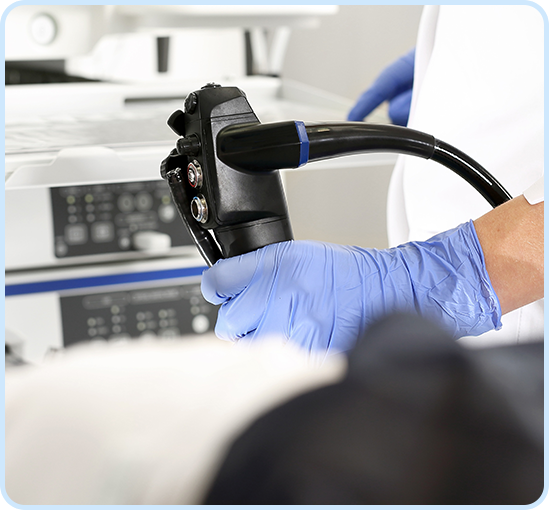
A colonoscopy is a procedure used to examine the lining of the colon and rectum with a flexible instrument equipped with a small camera. It can help detect, diagnose, and sometimes treat conditions affecting the lower digestive tract.
Upper Endoscopy (EGD)
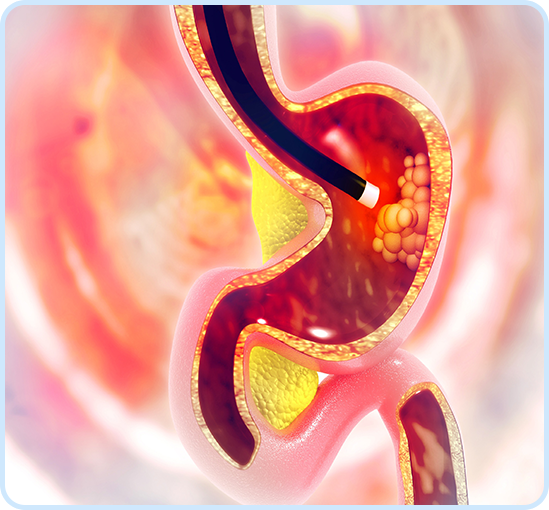
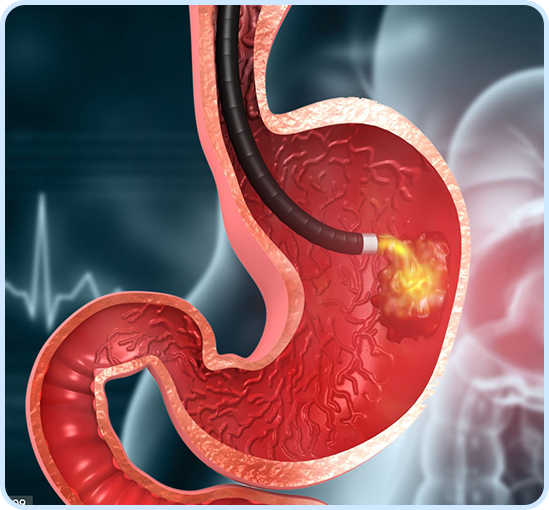
Upper GI endoscopy, also called esophagogastroduodenoscopy or EGD, allows a gastroenterologist to examine the lining of the esophagus, stomach, and upper small intestine. It may be used to evaluate persistent heartburn.
ERCP
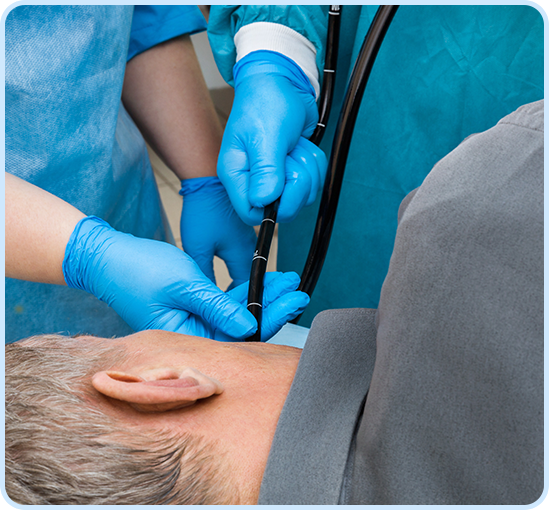
Endoscopic retrograde cholangiopancreatography is a treatment method used to diagnose and treat disorders related to the pancreatic and biliary ductal systems as well as the liver, gallbladder, and pancreas. The treatment technique combines endoscopy and fluoroscopy, live X-ray.
Flexible Sigmoidoscopy
Flexible sigmoidoscopy is a procedure used to examine the inner lining of the rectum and lower portion of the colon. It may be recommended to evaluate rectal bleeding, persistent diarrhea, changes in bowel habits, abdominal discomfort, or suspected inflammation.
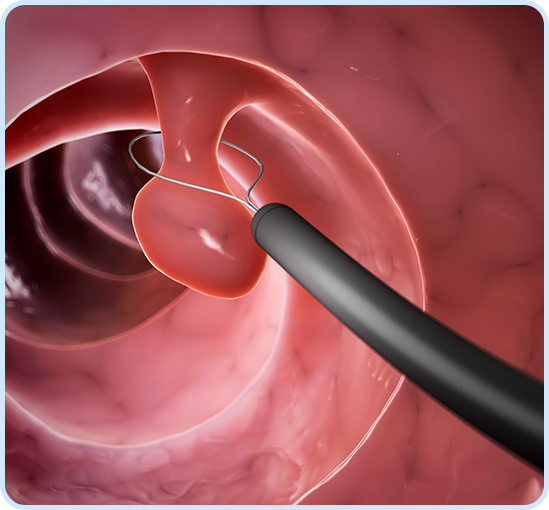
Colorectal Cancer Screening
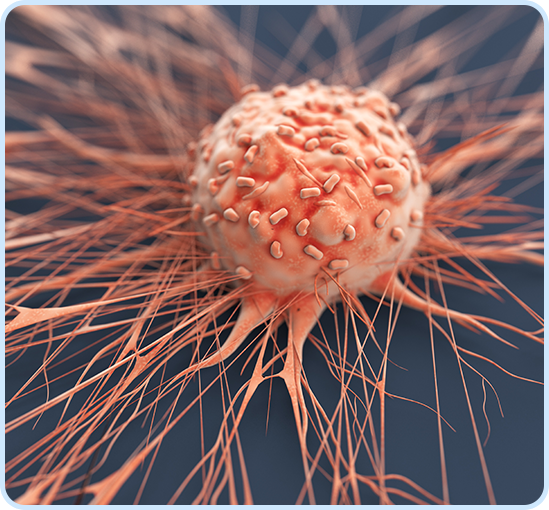
Colon cancer screening can detect precancerous polyps and colorectal cancer before symptoms develop. Finding and removing certain polyps may prevent cancer, while detecting colorectal cancer at an early stage can provide more treatment options and improve outcomes.