
Crohn’s Disease Treatment in Sugar Land, Texas
Personalized Care for Long-Term Inflammatory Bowel Disease
Crohn’s disease is a chronic inflammatory bowel disease that can affect any part of the digestive tract. It may cause persistent diarrhea, abdominal pain, rectal bleeding, fatigue, reduced appetite, and unintended weight loss. Symptoms can alternate between periods of active inflammation, called flares, and periods of remission.
Dr. Gregory L. Shannon is a board-certified gastroenterologist serving patients in Sugar Land, Texas. He provides comprehensive evaluation, treatment, and long-term monitoring for Crohn’s disease and related digestive conditions. Contact Dr. Shannon’s office for an appointment today!
What is Crohn’s Disease?
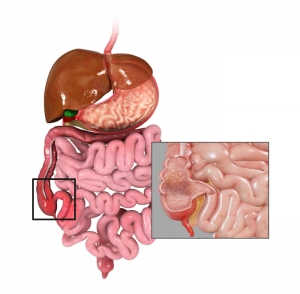
Crohn’s disease is chronic inflammation of the bowel or digestive tract. Inflammation may occur in any region of the digestive system and is different for every patient. The inflammation of the bowel tissue spreads to deeper layers causing serious complications.
Causes of Crohn’s Disease
Crohn’s disease may occur due to genetic factors, environmental factors or problems associated with your immune system. There is no exact cause for its occurrence.
Symptoms of Crohn’s Disease
The symptoms of Crohn’s disease are usually severe which include:
- Fever and diarrhea
- Abdominal cramps and pain
- Fatigue
- Stools containing blood
- Loss of appetite
- Weight loss
- Mouth sores
- Pain around the anus
- Inflammation of the liver, joints, skin, and eyes
- Children show delayed growth
What Happens if Crohn’s Disease is Left Untreated?
If left untreated, it leads to various complications including:
- Severe malnutrition
- Colon cancer
- Bowel obstruction
- Anal fissures
- Ulcers in different regions of the digestive tract
Diagnosis of Crohn’s Disease
Your doctor may order the following diagnostic methods:
- Blood tests to diagnose anemia or infection.
- Genetic testing may be performed.
- Stool tests to diagnose the presence of blood in stools.
- Your doctor may order a CT scan or MRI.
- Colonoscopy which uses a thin tube-like device fitted with a camera to view the inflammation in your colon.
- Your doctor may order capsule endoscopy. For this procedure, you consume a capsule containing a tiny camera (passed out in stools). The pictures obtained are used in diagnosis. Further, a biopsy may be necessary to confirm the disease.
- Balloon-assisted enteroscopy may be ordered if endoscopy does not provide a proper diagnosis.
Treatment of Crohn’s Disease
Treatment includes multiple options based on the severity of the disease. The treatment options include:
- You may be given anti-inflammatory drugs, immune suppressors, pain relievers and antibiotics.
- Since Crohn’s disease is associated with malnutrition and anemia, you are given vitamin and iron supplements.
- Proper diet is necessary to treat Crohn’s disease. You should avoid dairy products and eat fewer fatty foods.
- Completely avoid smoking and use of caffeine. Spicy foods may cause harm. Drink plenty of water.
- You may need at least one surgery to remove the damaged part of your digestive system. Surgery does not cure but can help to control the disease.
Alternative Medicine for Crohn’s Disease
Alternative medicines that may be found to be effective to treat Crohn’s disease including:
- Herbal medicines
- Acupuncture
- Prebiotics and Probiotic supplements
- Try a liquid diet with your doctor’s guidance
- Aloe Vera juice
- Yoga
- Sunlight exposure (short duration)
- Spices such as turmeric
- Extracts of pineapple
- Camel’s milk
Prevention of Crohn’s Disease
Crohn’s disease can be prevented by following some important measures to control environmental factors causing the disease. Genetic factors cannot be controlled but can be minimized.
- Avoid stress. Learn techniques to manage stress.
- Regularly exercise. Talk to your doctor about what type of exercise is helpful to minimize the symptoms.
- Completely quit smoking. Reduce caffeine intake.
- Practice relaxation techniques like yoga and meditation.
- It is necessary for some patients to lose weight.
Why Choose Dr. Gregory L. Shannon for Crohn’s Disease?
Individualized Care for Inflammatory Bowel Disease
Crohn’s disease affects each patient differently and may involve various parts and layers of the digestive tract. Dr. Gregory L. Shannon provides personalized gastroenterology care based on the location and severity of inflammation, current symptoms, previous treatments, and overall health.
His approach includes evaluating disease activity, developing an individualized treatment plan, and monitoring for nutritional deficiencies and other complications. Treatment is intended to control inflammation, relieve symptoms, promote healing, and maintain remission.
Patients Can Expect:
- Comprehensive evaluation of possible Crohn’s disease symptoms
- Colonoscopy, imaging, and laboratory testing when appropriate
- Personalized treatment based on disease location and severity
- Monitoring of inflammation and response to treatment
- Evaluation for anemia and nutritional deficiencies
- Guidance on diet, smoking cessation, and symptom management
- Surveillance for intestinal and colorectal complications
- Coordination with surgeons or other specialists when necessary
Crohn’s Disease – FAQs
What causes Crohn’s disease?
The exact cause is unknown. Current evidence suggests that Crohn’s disease develops through an abnormal immune response in people with genetic susceptibility, influenced by environmental factors. It is not caused by a specific food, stress, or personal behavior.
What are the common symptoms of Crohn’s disease?
Symptoms may include persistent diarrhea, abdominal pain, cramping, blood in the stool, fatigue, fever, reduced appetite, and unintended weight loss. Some patients also experience mouth sores or inflammation involving the joints, skin, eyes, or liver.
How is Crohn’s disease diagnosed?
Diagnosis may involve blood and stool tests, colonoscopy with biopsy, CT or MR enterography, capsule endoscopy, or other imaging. No single test diagnoses every case, so findings from several evaluations may be combined.
Is Crohn’s disease the same as ulcerative colitis?
No. Both are forms of inflammatory bowel disease, but Crohn’s disease can affect any part of the digestive tract and may extend through deeper layers of the intestinal wall. Ulcerative colitis primarily affects the colon and rectum and involves the colon’s inner lining.
Can Crohn’s disease be cured?
There is currently no cure, but treatment can control inflammation, relieve symptoms, and help patients achieve and maintain remission. Ongoing monitoring remains important even when symptoms have improved.
How is Crohn’s disease treated?
Treatment may include corticosteroids for short-term control of certain flares, immunomodulators, biologic therapies, targeted oral medications, nutritional support, and other medicines based on individual needs. Surgery may be required for strictures, fistulas, abscesses, obstructions, or disease that does not respond adequately to medical treatment.
Do all people with Crohn’s disease need a special diet?
There is no single diet appropriate for every patient. Nutritional needs may change depending on disease activity, affected areas of the digestive tract, previous surgery, and individual food tolerance. Restrictive diets and supplements should be discussed with a qualified healthcare professional to avoid nutritional deficiencies.
Does surgery cure Crohn’s disease?
No. Surgery can remove a severely damaged section of the digestive tract or treat complications, but inflammation may return in another area. Medical treatment and continued monitoring are often needed after surgery.
Does Crohn’s disease increase colorectal cancer risk?
Crohn’s disease involving a substantial portion of the colon over many years can increase colorectal cancer risk. The level of risk varies, and some patients may need colonoscopy surveillance more frequently than adults at average risk.
When does Crohn’s disease require urgent medical care?
Seek prompt medical attention for severe or worsening abdominal pain, a markedly swollen abdomen, persistent vomiting, high fever, heavy rectal bleeding, fainting, severe dehydration, or an inability to pass stool or gas. These symptoms may indicate an obstruction, perforation, abscess, or significant blood loss.
Take the Next Step in Managing Crohn’s Disease
Diagnosis, Treatment & Long-Term Gastroenterology Care
Whether you have symptoms that require evaluation, an established Crohn’s disease diagnosis, or concerns about a possible flare, Dr. Shannon can provide personalized treatment and ongoing monitoring. Contact his office in Sugar Land, Texas, for an appointment today.

Gregory L. Shannon, MD
Board-Certified Gastroenterologist Diplomate, American Board of Internal Medicine& Subspecialty Board in Gastroenterology
Gregory L. Shannon, MD, is a board-certified gastroenterologist providing comprehensive care for adults with conditions affecting the digestive system. Practicing in Sugar Land, Texas, he evaluates and treats a broad range of gastrointestinal concerns involving the esophagus, stomach, intestines, colon, liver, biliary system, and pancreas.



