
Peptic Ulcer Treatment in Sugar Land, Texas
Comprehensive Care for Stomach and Duodenal Ulcers
A peptic ulcer is an open sore that develops in the lining of the stomach or upper portion of the small intestine. Without appropriate treatment, an ulcer may cause persistent abdominal pain, internal bleeding, anemia, or other serious complications.
Dr. Gregory L. Shannon is a board-certified gastroenterologist serving patients in Sugar Land, Texas. He provides comprehensive evaluation and personalized treatment for peptic ulcers and related digestive conditions. Contact Dr. Shannon’s office for an appointment today!
What is a Peptic Ulcer?
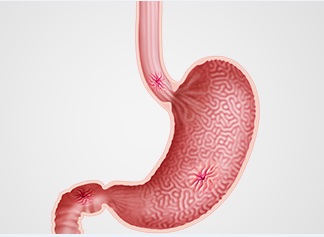
A peptic ulcer is an open sore that develops on the inner lining of the stomach, the upper portion of the small intestine, or the esophagus. The different types of peptic ulcers include:
- Gastric Ulcers: These occur inside the stomach.
- Duodenal Ulcers: These occur on the inside of the upper portion of the small intestine.
- Esophageal Ulcers: These occur in the esophagus or food pipe just above the stomach.
Causes of Peptic Ulcer
Common causes of peptic ulcers include:
- Infection with the bacterium Helicobacter pylori (H. pylori)
- Regular use of certain pain relievers like aspirin and nonsteroidal anti-inflammatory drugs (NSAIDs).
- Genetic factors
- Smoking
- Regular consumption of alcohol and spicy foods
- Using large doses of corticosteroid
- Mental stress
Symptoms of Peptic Ulcer
Signs and symptoms of a peptic ulcer include:
- Burning stomach pain
- Feeling of fullness, bloating, or belching
- Heartburn
- Nausea or vomiting
- Dark blood in stools
- Trouble breathing
- Feeling faint
- Unexplained weight loss
- Appetite changes
- Chest pain
Diagnosis of Peptic Ulcer
To diagnose a peptic ulcer, your doctor will discuss the signs and symptoms, check your medical history, and conduct a physical examination. Tests used to diagnose peptic ulcer include:
- Laboratory tests for H. pylori: A sample of your blood or stool may be tested to determine whether the bacterium H. pylori is present in your body.
- Breath test: This test makes use of radioactive carbon to detect the presence of H. pylori. The procedure involves breathing into a bag after consuming radioactive carbon-containing food or drink. The bag will contain radioactive carbon in the form of carbon dioxide in case you are infected, as H. pylori react with the carbon in your stomach.
- Barium swallow study: A barium swallow test is a special type of imaging test that uses barium to produce a clear outline of the upper esophagus on X-ray images obtained while you are swallowing.
- Endoscopy: An endoscope is a thin tube with a camera that can be inserted through the mouth to look directly at the inner walls of the esophagus, stomach, and upper portion of the small intestine.
Treatment of Peptic Ulcer
Treatment for peptic ulcers depends on the cause. The different types of medications that may be prescribed include:
- Antibiotic medications to kill H. pylori.
- Proton pump inhibitors to block the cells that produce acid.
- Acid blockers reduce the stomach acid released into your digestive tract.
- Antacids neutralize stomach acid and provide rapid pain relief.
- Cytoprotective agents protect the lining of your stomach and small intestine.
These medications are generally very successful in treating peptic ulcers. On the rare occasions that the peptic ulcer persists despite medical management, peptic surgery may be necessary. The surgery may be performed endoscopically or laparoscopically and may involve the following procedures:
- Graham Patch: This is the placement of a patch of fatty tissue to cover the peptic ulcer.
- Partial Gastrectomy: This involves excising the part of the stomach containing the ulcer and surgically closing the incision.
- Vagotomy: This involves surgically cutting branches of the vagus nerve to reduce acid production.
Why Choose Dr. Gregory L. Shannon for Peptic Ulcer Treatment?
Personalized Care for Your Digestive Health
Peptic ulcers may be associated with an Helicobacter pylori infection, regular use of nonsteroidal anti-inflammatory drugs (NSAIDs), or other medical factors. Dr. Gregory L. Shannon provides individualized gastroenterology care to identify the underlying cause and develop an appropriate treatment plan.
His approach begins with reviewing your symptoms, medical history, medications, and risk factors. Diagnostic testing may be recommended to confirm the ulcer, check for H. pylori, and evaluate the digestive tract for complications.
Patients Can Expect:
- Evaluation of persistent or recurring upper abdominal pain
- Testing for H. pylori infection when appropriate
- Upper endoscopy to examine the digestive tract when medically indicated
- Personalized medication recommendations based on the ulcer’s cause
- Guidance regarding NSAIDs and other medications that may affect the stomach
- Monitoring to confirm healing and reduce the risk of recurrence
- Evaluation for bleeding, anemia, and other ulcer-related complications
- Clear explanations about diagnostic findings and treatment options
Peptic Ulcer – FAQs
What is the most common cause of a peptic ulcer?
The two most common causes are infection with H. pylori bacteria and regular use of NSAIDs, such as aspirin, ibuprofen, and naproxen. Other factors, including smoking and certain medications, may increase the risk or interfere with healing.
What does peptic ulcer pain feel like?
A peptic ulcer may cause burning or gnawing pain in the upper abdomen. The discomfort may occur when the stomach is empty, between meals, or at night. Some patients also experience bloating, belching, nausea, heartburn, or early fullness.
Can stress or spicy foods cause a peptic ulcer?
Stress and spicy foods are not considered the primary causes of most peptic ulcers. However, they may aggravate pain or other digestive symptoms in some patients. Identifying and treating the underlying cause is important for proper healing.
How is a peptic ulcer diagnosed?
Diagnosis may involve a medical history, physical examination, testing for H. pylori, and upper endoscopy. During an endoscopy, the physician examines the esophagus, stomach, and upper small intestine and may collect a tissue sample when appropriate.
How are peptic ulcers treated?
Treatment depends on the cause. An H. pylori infection is generally treated with a combination of antibiotics and acid-suppressing medication. Ulcers associated with NSAIDs may require stopping or changing the medication under medical guidance and using medication to reduce stomach acid.
How long does a peptic ulcer take to heal?
Many ulcers heal within several weeks when the underlying cause is treated and prescribed medication is taken correctly. Healing time varies according to the ulcer’s location, size, cause, and whether complications are present. Follow-up testing may sometimes be recommended.
Can a peptic ulcer return after treatment?
Yes. An ulcer may return if an H. pylori infection is not completely eliminated, NSAID use continues, prescribed treatment is not completed, or other risk factors remain. Following the treatment plan and attending recommended follow-up visits can help reduce recurrence.
Can a peptic ulcer cause internal bleeding?
Yes. An ulcer can damage a blood vessel and cause gastrointestinal bleeding. Signs may include vomiting blood, vomit resembling coffee grounds, black or tarry stools, dizziness, weakness, shortness of breath, or fainting.
When is a peptic ulcer an emergency?
Seek immediate medical attention for sudden or severe abdominal pain, a rigid or extremely tender abdomen, vomiting blood, black or tarry stools, fainting, confusion, rapid heartbeat, or difficulty breathing. These symptoms may indicate significant bleeding or a perforated ulcer.
Take the Next Step in Your Digestive Health
Diagnosis, Treatment & Personalized Gastroenterology Care
Whether you have persistent upper abdominal pain, nausea, unexplained anemia, or symptoms of a possible ulcer, Dr. Shannon can provide a comprehensive evaluation and personalized treatment plan. Contact his office in Sugar Land, Texas, for an appointment today.

Gregory L. Shannon, MD
Board-Certified Gastroenterologist Diplomate, American Board of Internal Medicine& Subspecialty Board in Gastroenterology
Gregory L. Shannon, MD, is a board-certified gastroenterologist providing comprehensive care for adults with conditions affecting the digestive system. Practicing in Sugar Land, Texas, he evaluates and treats a broad range of gastrointestinal concerns involving the esophagus, stomach, intestines, colon, liver, biliary system, and pancreas.



