
Hemorrhoid Treatment in Sugar Land, Texas
Relief From Rectal Pain, Itching, Swelling, and Bleeding
Hemorrhoids are swollen veins that develop inside the rectum or beneath the skin surrounding the anus. They may cause itching, discomfort, swelling, painful bowel movements, or bright-red rectal bleeding. Because these symptoms can also occur with other colorectal conditions, an accurate diagnosis is important.
Dr. Gregory L. Shannon is a board-certified gastroenterologist serving patients in Sugar Land, Texas. He provides comprehensive evaluation and personalized treatment for hemorrhoids and related digestive concerns. Contact Dr. Shannon’s office for an appointment today!
Hemorrhoids
Hemorrhoids or piles are swollen veins in the lower rectum or the anus.
Types of Hemorrhoids
Hemorrhoids may be external or internal. If they develop inside the rectum, they are called internal hemorrhoids. External hemorrhoids develop around the anus just below the skin. Some of the external hemorrhoids develop blood clots and are quite painful. They are called thrombosed hemorrhoids. Another type of piles is so large that they often protrude during defecation. They are called prolapsing piles.
What Causes Hemorrhoids?
The exact cause of hemorrhoids is unknown. Possible causes include:
- Pregnancy and childbirth
- Prolonged straining to pass stools (If you suffer constipation)
- Obesity
- Diet low in fiber
- Chronic diarrhea
- Anal intercourse
Symptoms of Hemorrhoids
The symptoms of hemorrhoids include:
- Pain and discomfort
- Pain may increase during defecation
- Bleeding, which is commonly observed during defecation
- Itching or irritation to the anal area
- Lumps outside the anus which may or may not be painful
- Your anal area may be swollen
Diagnosis of Hemorrhoids
The presence of hemorrhoids is diagnosed by your doctor digitally with a gloved finger. Your doctor may use an anoscope, sigmoidoscopy or a proctoscope to check for internal piles.
Treatment of Hemorrhoids
Hemorrhoids are never life-threatening. The symptoms of bowel cancer may be like hemorrhoid symptoms. Therefore, it is important to be properly diagnosed.
Most hemorrhoids are treated by non-surgical methods. Minimally-invasive procedures are found to be effective in many patients. Surgery may be needed in extreme cases.
Non-surgical Methods
- Your doctor prescribes medications to reduce pain, itching, and inflammation. It may be in the form of tablets or ointments.
- You must consume a high-fiber diet. Avoid straining during defecation.
- Keep the anal area clean. Use cold packs to reduce inflammation. Take a sitz bath.
- Your doctor may remove a painful clot by simple incision.
Minimally-Invasive Methods
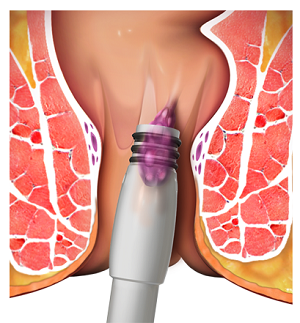
Sclerotherapy: Your doctor injects certain chemicals to cause shrinkage of the hemorrhoids.
Rubber band ligation: The base of the hemorrhoids is tied with small rubber bands. This cuts blood circulation and the hemorrhoids fall off. There may be certain complications associated with this technique.
Coagulation technique: It involves the hardening of hemorrhoids with radiation or heat increases the chances of hemorrhoids falling off.
Surgery
Hemorrhoidectomy: The hemorrhoids are surgically removed. It is performed under general anesthesia or with local anesthesia. Pain and difficulty in defecation after surgery for a few days are some of the complications of the surgery.
Hemorrhoid Stapling: It is a surgical method to block blood flow to the hemorrhoids. This technique has various complications such as the recurrence of hemorrhoids.
Prevention of Hemorrhoids
Follow these simple lifestyle and diet habits to avoid the occurrence of hemorrhoids.
- Eat a high fiber diet. Do not consume foods such as chips, ice creams, fast food, frozen food, processed food, red meat, etc. which may increase the chances of constipation and hemorrhoids.
- Stay physically active. Exercise maintains gastrointestinal health.
- If you are obese, plan a weight loss program.
- If you are suffering from inflammatory bowel disease, properly manage it.
Why Choose Dr. Gregory L. Shannon for Hemorrhoid Treatment?
Personalized Care for Rectal Discomfort and Bleeding
Hemorrhoid symptoms can vary according to whether the swollen veins are internal, external, thrombosed, or prolapsed. Dr. Gregory L. Shannon provides individualized gastroenterology care to confirm the diagnosis, identify contributing factors, and determine an appropriate treatment plan.
His approach begins with reviewing your symptoms, bowel habits, diet, medications, and medical history. An examination or additional testing may be recommended to distinguish hemorrhoids from anal fissures, inflammation, polyps, or other causes of rectal bleeding.
Patients Can Expect:
- Evaluation of rectal pain, itching, swelling, and bleeding
- Care for internal, external, thrombosed, or prolapsed hemorrhoids
- Assessment of constipation and straining
- Personalized fiber, hydration, and bowel-habit recommendations
- Medication or office-based treatment when appropriate
- Colonoscopy when medically indicated
- Referral for surgical care when necessary
- Clear explanations about the diagnosis and available treatments
Hemorrhoids – FAQs
What is the difference between internal and external hemorrhoids?
Internal hemorrhoids develop inside the rectum and may cause painless bleeding or protrude through the anus. External hemorrhoids form beneath the skin surrounding the anus and may cause tenderness, itching, swelling, or pain.
What causes hemorrhoids?
Hemorrhoids are associated with increased pressure on veins in the rectal and anal regions. Contributing factors include chronic constipation, repeated straining, prolonged sitting on the toilet, chronic diarrhea, pregnancy, obesity, heavy lifting, and a diet low in fiber.
Can hemorrhoids cause rectal bleeding?
Yes. Hemorrhoids commonly cause bright-red blood on toilet paper, on the outside of the stool, or in the toilet bowl. However, colorectal polyps, inflammatory bowel disease, diverticular disease, and colorectal cancer can produce similar bleeding. New or recurring bleeding should be evaluated.
How are hemorrhoids diagnosed?
Diagnosis may involve examining the skin around the anus, performing a digital rectal examination, or using an anoscope to view the anal canal and lower rectum. Additional testing, including colonoscopy, may be recommended based on your age, symptoms, medical history, and risk factors.
Can hemorrhoids go away without treatment?
Mild hemorrhoid symptoms may improve with increased fiber and fluid intake, avoiding straining, limiting time spent on the toilet, and using sitz baths. Persistent, recurrent, or severe symptoms may require medication or an office-based procedure.
What is a thrombosed hemorrhoid?
A thrombosed external hemorrhoid occurs when a blood clot develops inside an external hemorrhoid. It can cause a sudden, painful lump near the anus. Medical evaluation is recommended, particularly when pain is severe or begins suddenly.
What treatments are available for hemorrhoids?
Treatment depends on the hemorrhoid’s type and severity. Options may include dietary changes, fiber supplements, topical medication, rubber-band ligation, sclerotherapy, or coagulation. Surgery may be considered for large, prolapsed, recurrent, or otherwise difficult-to-treat hemorrhoids.
How can I prevent hemorrhoids from returning?
Maintaining soft, regular bowel movements can reduce pressure on the anal veins. Helpful measures include eating enough fiber, drinking adequate fluids, exercising regularly, avoiding prolonged straining, responding promptly to the urge to have a bowel movement, and limiting time on the toilet.
When do hemorrhoid symptoms require prompt medical care?
Seek prompt evaluation for heavy or continuous bleeding, black or maroon stools, severe rectal pain, fever, dizziness, fainting, weakness, or bleeding accompanied by abdominal pain or changes in bowel habits. These symptoms may indicate significant blood loss, infection, or another condition.
Take the Next Step Toward Relief From Hemorrhoids
Evaluation, Treatment & Personalized Gastroenterology Care
Whether you are experiencing rectal pain, itching, swelling, prolapse, or bleeding during bowel movements, Dr. Shannon can provide a comprehensive evaluation and individualized care plan. Contact his office in Sugar Land, Texas, for an appointment today.

Gregory L. Shannon, MD
Board-Certified Gastroenterologist Diplomate, American Board of Internal Medicine& Subspecialty Board in Gastroenterology
Gregory L. Shannon, MD, is a board-certified gastroenterologist providing comprehensive care for adults with conditions affecting the digestive system. Practicing in Sugar Land, Texas, he evaluates and treats a broad range of gastrointestinal concerns involving the esophagus, stomach, intestines, colon, liver, biliary system, and pancreas.



