
Abdominal Pain Evaluation in Sugar Land, Texas
Identifying the Cause of Your Digestive Discomfort
Abdominal pain can develop anywhere between the chest and pelvis and may originate from the stomach, intestines, liver, gallbladder, pancreas, or another organ. Because its causes range from temporary digestive discomfort to conditions requiring prompt treatment, persistent or recurring pain should be properly evaluated.
Dr. Gregory L. Shannon is a board-certified gastroenterologist serving patients in Sugar Land, Texas. He provides comprehensive evaluation and personalized treatment for abdominal pain and related digestive conditions. Contact Dr. Shannon’s office for an appointment today!
What is Abdominal Pain?
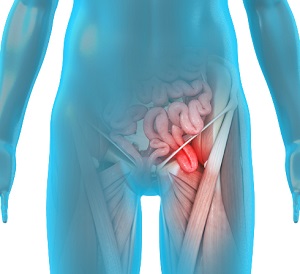
Abdominal pain refers to discomfort or pain that occurs anywhere between the chest and the pelvis. It is commonly known as a "stomach ache," although the pain may come from other organs in the abdominal cavity, such as the liver, gallbladder, pancreas, small intestine, and large intestine.
What are the Common Causes of Abdominal Pain?
Abdominal pain can range from mild to severe and may result from various causes:
Digestive System Issues
- Indigestion
- Gas and bloating
- Constipation or diarrhea
- Gastroenteritis (stomach flu)
- Acid reflux or GERD
- Food intolerances (e.g., lactose or gluten)
Inflammatory Conditions
- Appendicitis (inflammation of the appendix)
- Diverticulitis
- Pancreatitis
- Inflammatory Bowel Disease (IBD) – Crohn’s disease or ulcerative colitis
Obstruction or Blockage
- Bowel obstruction
- Gallstones
- Kidney stones
Infections
- Urinary tract infection (UTI)
- H. pylori infection (linked to ulcers)
Reproductive System (in females)
- Menstrual cramps
- Ovarian cysts
- Endometriosis
- Ectopic pregnancy
Other Causes
- Hernias
- Abdominal trauma
- Irritable Bowel Syndrome (IBS)
- Cancer (less common)
When Should You Seek Medical Attention for Abdominal Pain?
You should seek medical help if abdominal pain is:
- Severe and sudden
- Associated with fever
- Accompanied by vomiting blood or blood in the stool
- With persistent nausea or vomiting
- Associated with difficulty breathing
- With a swollen or tender abdomen
- Following an injury
Diagnosis of Abdominal Pain
The diagnosis of abdominal pain involves a thorough evaluation that begins with a detailed medical history to understand the location, nature, duration, and triggers of the pain, as well as any associated symptoms such as nausea, vomiting, fever, or changes in bowel habits.
A physical examination follows, during which the doctor inspects and palpates the abdomen to identify areas of tenderness, swelling, or abnormal sounds. Based on the findings, diagnostic tests may be ordered, including blood tests, urine tests, stool analysis, and imaging studies such as ultrasound, X-rays, or CT scans to evaluate internal organs and structures.
In some cases, additional procedures like endoscopy, colonoscopy, or laparoscopy may be necessary to directly visualize the gastrointestinal tract or abdominal cavity.
Treatment for Abdominal Pain
Treatment for abdominal pain depends on the underlying cause, severity, and associated symptoms.
Lifestyle and Dietary Changes
- Eat smaller, more frequent meals
- Avoid spicy, fatty, or gas-producing foods
- Increase fiber for constipation
- Stay hydrated
- Reduce stress
Medications
- Antacids or Proton Pump Inhibitors (PPIs): For acid reflux or ulcers
- Antispasmodics: For irritable bowel syndrome (IBS)
- Laxatives or stool softeners: For constipation
- Antibiotics: For infections like urinary tract infections (UTIs) or diverticulitis
- Pain relievers: Paracetamol is preferred; avoid NSAIDs like ibuprofen if ulcers are suspected
- Antiemetics: For nausea and vomiting
- Antidiarrheals: For diarrhea if not caused by infection
Medical Procedures or Surgery
- Appendectomy: For appendicitis
- Cholecystectomy: For gallstones
- Drainage or repair: For abscesses, hernias, or bowel obstructions
- Endoscopy or colonoscopy: For diagnostic and therapeutic purposes
Supportive Care
- IV fluids for dehydration
- Rest and monitoring in the hospital if the pain is severe or the cause is unclear
Why Choose Dr. Gregory L. Shannon for Abdominal Pain?
Comprehensive Evaluation for Digestive Symptoms
Abdominal pain may be caused by indigestion, constipation, acid reflux, ulcers, irritable bowel syndrome, inflammatory bowel disease, gallbladder conditions, or other medical concerns. Dr. Gregory L. Shannon provides individualized gastroenterology care to identify potential causes and determine the appropriate next steps.
His approach begins with understanding the pain’s location, severity, duration, pattern, and possible triggers. He also reviews associated symptoms, medications, medical history, and risk factors before recommending diagnostic testing or treatment.
Patients Can Expect:
- Care tailored to the location and pattern of abdominal pain
- Evaluation of accompanying digestive symptoms
- Review of dietary, medication, and lifestyle factors
- Laboratory, imaging, or stool testing when appropriate
- Endoscopy or colonoscopy when medically indicated
- Personalized treatment based on the underlying diagnosis
- Ongoing care for chronic gastrointestinal conditions
- Clear explanations about findings and treatment options
Abdominal Pain – FAQs
What are the most common causes of abdominal pain?
Common causes include indigestion, gas, constipation, diarrhea, gastroenteritis, acid reflux, food intolerance, irritable bowel syndrome, ulcers, diverticulitis, and gallstones. Abdominal pain can also originate outside the digestive system, so an accurate diagnosis is important.
When should I see a gastroenterologist for abdominal pain?
Consider scheduling an evaluation if the pain persists, repeatedly returns, becomes progressively worse, or occurs with changes in bowel habits, difficulty swallowing, ongoing nausea, unexplained weight loss, or blood in the stool. A gastroenterologist can assess whether the pain may be related to the digestive tract.
How is the cause of abdominal pain diagnosed?
Diagnosis generally begins with a review of the pain’s location, characteristics, duration, and triggers, followed by a physical examination. Depending on the findings, testing may include blood work, urine or stool analysis, ultrasound, X-rays, CT imaging, endoscopy, or colonoscopy.
Does the location of abdominal pain indicate its cause?
The pain’s location can provide helpful clues, but it does not establish a diagnosis by itself. Upper abdominal pain may involve the stomach, liver, gallbladder, or pancreas, while lower abdominal pain may involve the intestines or pelvic organs. Some conditions cause pain that moves or spreads to another area.
Can gas or constipation cause severe abdominal pain?
Gas and constipation can cause significant cramping, pressure, bloating, and discomfort. However, severe or persistent pain should not automatically be attributed to these conditions because bowel obstruction, inflammation, infection, and other problems can cause similar symptoms.
Can stress cause abdominal pain?
Stress can affect communication between the brain and digestive system, potentially contributing to cramping, diarrhea, constipation, bloating, or worsening symptoms of conditions such as irritable bowel syndrome. A medical evaluation may still be necessary to rule out other causes.
What can I do at home for mild abdominal pain?
Depending on the suspected cause, drinking fluids, eating smaller meals, resting, and avoiding foods that worsen symptoms may help. Do not take laxatives, antidiarrheal medicines, or pain relievers for unexplained abdominal pain without appropriate guidance, as some products may worsen certain conditions or conceal important symptoms.
When is abdominal pain an emergency?
Seek immediate medical care for sudden or severe pain, a rigid or markedly swollen abdomen, persistent vomiting, vomiting blood, black or bloody stools, fainting, chest pain, difficulty breathing, high fever, or pain following an injury. Urgent evaluation is also important when abdominal pain occurs during pregnancy or is accompanied by signs of severe dehydration.
Take the Next Step Toward Better Digestive Health
Evaluation, Diagnosis & Personalized Gastroenterology Care
Whether you have persistent discomfort, recurring cramps, bloating, or abdominal pain accompanied by changes in your bowel habits, Dr. Shannon can provide a comprehensive evaluation and individualized care plan. Contact his office in Sugar Land, Texas, for an appointment today.

Gregory L. Shannon, MD
Board-Certified Gastroenterologist Diplomate, American Board of Internal Medicine& Subspecialty Board in Gastroenterology
Gregory L. Shannon, MD, is a board-certified gastroenterologist providing comprehensive care for adults with conditions affecting the digestive system. Practicing in Sugar Land, Texas, he evaluates and treats a broad range of gastrointestinal concerns involving the esophagus, stomach, intestines, colon, liver, biliary system, and pancreas.



